
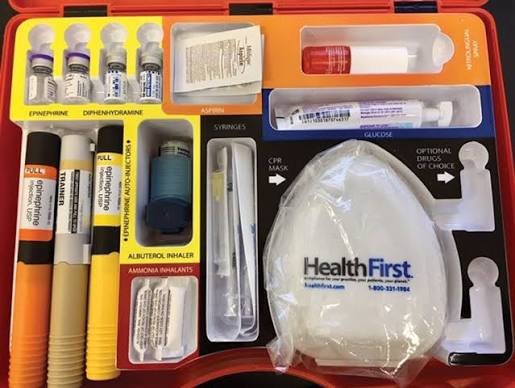

An anaphylaxis kit is designed for sudden, severe allergic reactions.
Its most important item is usually an epinephrine auto-injector.
At a Glance
| Detail | Information |
|---|---|
| Topic | Anaphylaxis Kit |
| Main Purpose | Emergency treatment for anaphylaxis |
| Key Medicine | Epinephrine (adrenaline) |
| Typical Delivery | Auto-injector |
| Injection Site | Outer mid-thigh |
| Emergency Plan | Written action plan |
| Who May Need One? | People at risk of severe allergic reactions |
| Main Goal | Rapid treatment before medical help arrives |
| Professional Guidance | Allergy and emergency-care guidelines |
What Is an Anaphylaxis Kit?
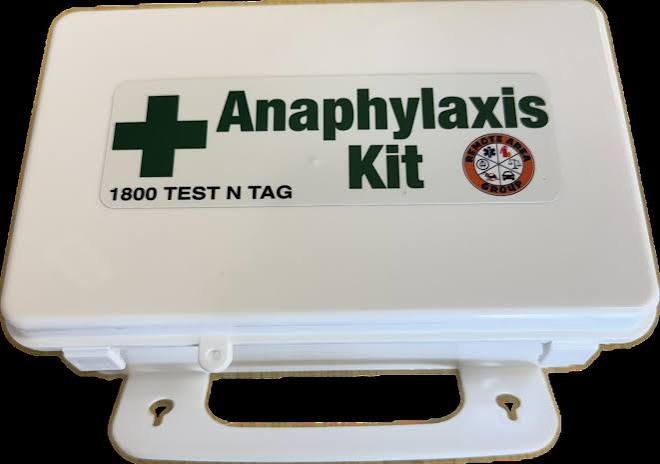
An anaphylaxis kit is an emergency allergy treatment package.
It helps manage potentially life-threatening allergic reactions quickly.
The centerpiece is an epinephrine auto-injector.
A written emergency plan is also highly important.
Anaphylaxis can affect breathing, circulation, skin, and digestion.
Symptoms may develop rapidly after allergen exposure.
Common triggers include foods, medicines, and insect venom.
Fast treatment can make a critical difference.
What Should an Anaphylaxis Kit Contain?
The exact contents depend on medical advice.
Patients should follow their personalized emergency action plan.
Essential Items
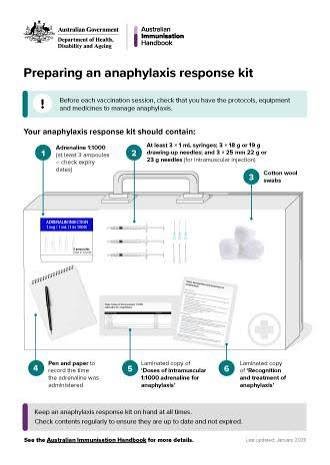
A practical kit may include:
- Epinephrine auto-injector
- Written anaphylaxis action plan
- Emergency contact information
- Medical identification
- Additional prescribed medicines
- A second epinephrine dose, when prescribed
Epinephrine remains the first-line treatment for anaphylaxis.
Guidelines recommend giving it promptly when anaphylaxis occurs.
The preferred injection site is the outer mid-thigh.
Some emergency plans also include antihistamines.
Certain patients may have prescribed corticosteroids or inhalers.
These medicines do not replace epinephrine during anaphylaxis.
The AAAAI specifically warns against relying on antihistamines alone.
Why Epinephrine Is the Key Component
Epinephrine acts on several dangerous effects of anaphylaxis.
It can help improve airway, breathing, and circulation problems.
That makes it different from ordinary allergy medicines.
Medical guidelines therefore place it first in treatment.
A major practical advantage is speed.
Auto-injectors provide a pre-measured emergency dose.
They can be used before professional responders arrive.
Users should learn their specific device before an emergency.
A Useful Safety Distinction
An antihistamine can help some allergy symptoms.
It does not reliably reverse severe anaphylaxis.
Asthma inhalers also cannot replace epinephrine.
This distinction is especially important during breathing difficulties.
When Should an Anaphylaxis Kit Be Used?
Anaphylaxis may cause several serious symptoms at once.
Warning signs can include breathing difficulty or throat swelling.
Dizziness, collapse, wheezing, and severe swelling can occur.
Skin symptoms may also accompany respiratory or circulation problems.
A written action plan helps remove uncertainty.
It explains when and how to use prescribed epinephrine.
It should remain accessible wherever the person regularly goes.
World Allergy Organization guidance supports carrying such plans.
During a Suspected Emergency
Follow the person’s prescribed emergency plan first.
General guidance emphasizes several urgent actions:
- Use epinephrine promptly when anaphylaxis is suspected.
- Call emergency medical services immediately.
- Follow the person’s positioning instructions.
- Keep monitoring the person’s condition.
- Follow professional instructions until help arrives.
Do not delay epinephrine while waiting for symptoms to worsen.
Emergency guidelines emphasize early administration when indicated.
How an Anaphylaxis Kit Should Be Stored
Accessibility matters as much as possession.
A kit cannot help if it is difficult to reach.
People should know exactly where their device is kept.
Family members and caregivers should know too.
Expiration dates also require regular attention.
The kit should be checked according to medical instructions.
Damaged or expired medication should be replaced appropriately.
Previous guidance also recommends monitoring auto-injector expiration dates.
Storage instructions depend on the specific product.
Always follow the manufacturer’s labeled storage requirements.
Avoid storing medication somewhere inaccessible during emergencies.
Who May Need an Anaphylaxis Kit?
Not everyone with an allergy needs identical emergency supplies.
Doctors consider personal medical history and future risk.
Previous anaphylaxis is an important consideration.
Certain food and insect allergies can also create serious risk.
Healthcare professionals may consider additional factors, including:
- Previous severe allergic reactions
- Allergens that are difficult to avoid
- Asthma combined with serious allergic risk
- Reactions to very small allergen amounts
- Limited access to emergency medical care
The decision should come from a qualified healthcare professional.
The appropriate epinephrine dose also varies between patients.
Children and adults may require different prescribed strengths.
Anaphylaxis Kit vs. Ordinary Allergy Medicine
These two concepts are not interchangeable.
Ordinary allergy medicines usually target specific symptoms.
Anaphylaxis treatment requires rapid emergency management.
| Ordinary Allergy Care | Anaphylaxis Emergency Care |
|---|---|
| Often manages mild symptoms | Addresses potentially life-threatening reactions |
| May involve antihistamines | Epinephrine is first-line treatment |
| Usually planned for routine symptoms | Requires urgent emergency action |
| May not require emergency services | Emergency medical help is required |
This difference can prevent dangerous treatment delays.
A severe reaction should never be treated like simple itching.
The Overlooked Part: Training
Owning an auto-injector is only one part of preparedness.
Knowing how to use it is equally important.
Patients and caregivers should practice with appropriate training devices.
Guidelines support training patients and families in advance.
Training should cover more than injection technique.
People should recognize early warning signs.
They should understand their written emergency plan.
They should also know when emergency services must be contacted.
This preparation can reduce hesitation during stressful situations.
That is one reason action plans matter beyond paperwork.
What Happens After Epinephrine?
Epinephrine does not eliminate the need for medical evaluation.
Anaphylaxis symptoms can return after initial improvement.
This phenomenon is known as a biphasic reaction.
Medical observation may therefore be recommended after treatment.
Patients should follow emergency-service advice after using epinephrine.
Further treatment depends on symptoms and individual circumstances.
Some cases require extended monitoring or hospital admission.
How to Keep an Anaphylaxis Kit Ready
A simple routine can prevent avoidable problems.
Regular Kit Check
- Confirm the prescribed medication is present.
- Check expiration dates regularly.
- Keep the emergency plan accessible.
- Make sure caregivers know the procedure.
- Replace supplies according to professional advice.
- Review training after changing devices.
A second prescribed auto-injector may sometimes be appropriate.
Doctors consider factors such as severe previous reactions.
Distance from emergency care can also influence this decision.
Final Thoughts
An anaphylaxis kit is more than a medication pouch.
It is part of a complete emergency preparedness plan.
Epinephrine remains its central treatment when anaphylaxis occurs.
Training, accessibility, and emergency planning complete that protection.
The exact kit should always match medical advice.
Medication choices and doses should never be guessed.
Anyone at risk should discuss their plan with a clinician.
That preparation can make emergencies easier to manage.
Frequently Asked Questions
What is the most important item in an anaphylaxis kit?
For people prescribed emergency treatment, epinephrine is usually central.
It is the first-line medicine for anaphylaxis.
Auto-injectors provide a pre-measured dose for rapid use.
The correct device and dose depend on individual medical advice.
Can antihistamines replace epinephrine?
No. Antihistamines cannot reliably treat anaphylaxis.
They may help certain allergy symptoms.
They should not delay appropriate epinephrine treatment.
The AAAAI specifically advises against depending on antihistamines.
Should an anaphylaxis kit contain two epinephrine doses?
Some patients are prescribed two doses.
The decision depends on individual risk and medical guidance.
Severe previous reactions can influence that decision.
Poor access to emergency care may also matter.
Can an anaphylaxis kit be used without training?
People should receive training before an emergency.
Patients, families, and caregivers can practice device technique.
Training should include symptom recognition and emergency procedures.
The specific device instructions should always be followed.
Is medical care needed after using epinephrine?
Yes, emergency medical assessment is still important.
Symptoms can sometimes return after initial improvement.
Professional observation helps identify recurring or persistent reactions.
Follow emergency-service instructions after administering epinephrine.
Read more:Vicki Light: The Talent Agent Who Worked Behind the Spotlight