
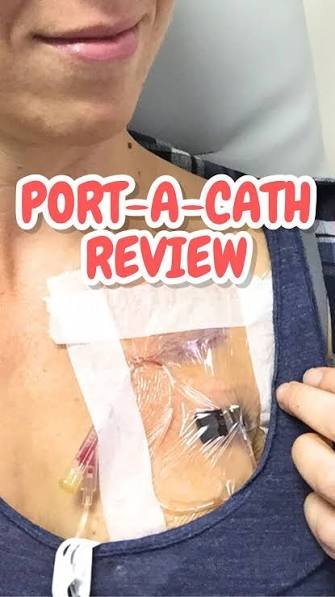

An implanted port provides reliable access to a large vein.
Accessing port means using that device for treatment or blood draws.
At a Glance
| Detail | Information |
|---|---|
| Medical term | Implanted venous access port |
| Common names | Port, port-a-cath, chemo port |
| Main purpose | IV treatment and blood collection |
| Location | Usually under chest skin |
| Connection | Catheter leading into a large vein |
| Access method | Special needle through the port |
| Common users | Patients needing repeated IV treatment |
| Main concern | Infection and other port complications |
What Is Accessing a Port?
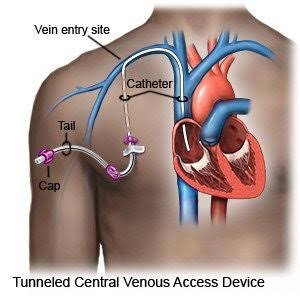
Accessing a port means using an implanted medical port. A healthcare professional inserts a special needle through the skin. The needle enters the port’s self-sealing septum. This provides access to the connected catheter and vein.
The port stays beneath the skin between treatmentsThis differs from some external central lines.
Why Do Patients Need an Implanted Port?
Doctors may recommend ports for repeated or long-term treatment. They can reduce repeated needle sticks in peripheral veins. Ports are commonly associated with chemotherapy and other IV therapies.
Common reasons include:
- Chemotherapy treatments
- Long-term intravenous medications
- Repeated blood draws
- Blood transfusions
- Certain nutritional treatments
- Some long-term medical conditions
The National Cancer Institute describes ports as devices for treatments and blood collection. They can remain in place for months or years.
How an Implanted Port Works
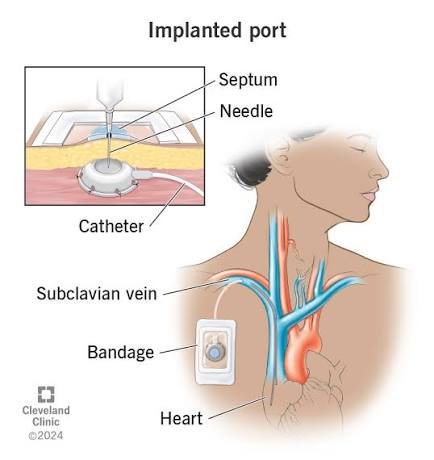
An implanted port has several important components. The port sits beneath the skin. A catheter connects it to a large vein. The access point contains a self-sealing septum.
. The needle passes through the skin and septum
This design creates an important advantage. Patients do not need a new peripheral IV each time. That can make repeated treatment more manageable.
What Happens During Port Access?
Port access is a clinical procedure. It requires appropriate infection-control precautions. Cleveland Clinic describes accessing as part of professional port care.
- The healthcare professional prepares the equipment.
- The port area is assessed and cleaned.
- A suitable sterile needle accesses the port.
- The port’s function is checked.
- Treatment or blood collection follows.
- The needle is removed when appropriate.
Exact procedures can vary between patients and facilitiesshould follow their clinical team’s instructions.
Important: Port access should not be attempted without proper training. Incorrect access can cause infection, blockage, injury, or other complications.
Why Sterile Technique Matters
A port creates a direct route toward the bloodstream. That makes infection prevention especially important. Cleveland Clinic identifies infection as the most common implanted-port complication.
The skin and equipment require appropriate preparation.
This is one reason port access is not simply another injection. It involves a device connected directly to a major vein.
Possible Problems After Port Access
Most port care follows established clinical procedures. Some require prompt medical attention.
Possible problems include:
- Redness or warmth around the port
- Swelling near the port
- Bleeding or fluid leakage
- Fever or other infection signs
- Blockage
- Blood clots
- Catheter displacement
- Pain or unusual discomfort
Cleveland Clinic notes that infection, blockage, clots, and catheter problems are recognized complications.
When Should Patients Contact a Doctor?
Patients should report concerning symptoms promptly. Fever can be particularly important when infection is possible. Redness, swelling, warmth, or drainage also deserves medical attention.
Shortness of breath or significant swelling should not be ignored. These symptoms can have several causes. A healthcare professional should assess them rather than relying on online advice.
Accessing Port vs. De-Accessing Port
These terms describe opposite stages of port use.
Accessing means placing the appropriate needle into the port. This allows treatment or blood collection.
De-accessing means removing the needle after treatment. The site is then protected according to the healthcare facility’s protocol.
The distinction matters because a port may be accessed temporarily. It can then return to its fully implanted state.
How Long Can a Port Stay in Place?
An implanted port can remain useful for a long time. The exact duration depends on the patient’s treatment needs and medical situation.
Cleveland Clinic states that implanted ports can last for years. The device may eventually be removed when it is no longer needed.
This long-term design explains their popularity in repeated treatment. One implanted device can support many future treatments.
The Overlooked Benefit of Port Access
The biggest benefit is not simply convenience. It can protect peripheral veins from repeated access attempts.
For patients receiving frequent treatment, repeated needle placement can become stressful. An implanted port provides a consistent access point instead. The National Cancer Institute notes this role in chemotherapy care.
That makes port access an important part of long-term treatment planning. It connects convenience with practical vascular access.
Final Thoughts
Accessing a port is a controlled medical procedure. It allows healthcare professionals to use an implanted vascular device. The system supports medications, fluids, blood collection, and transfusions.
The procedure requires proper training and infection-control practices. Patients should never attempt professional port access independently. Any unusual symptoms should be discussed with the treating healthcare team.
Sources and Further Reading
- Cleveland Clinic — Implanted Port
- National Cancer Institute — Port Definition
- National Cancer Institute — Chemotherapy and You
- Cleveland Clinic — Chemo Port
- Cleveland Clinic — Central Venous Catheter
Read more:Anaphylaxis Kit: What It Contains and Why It Matters